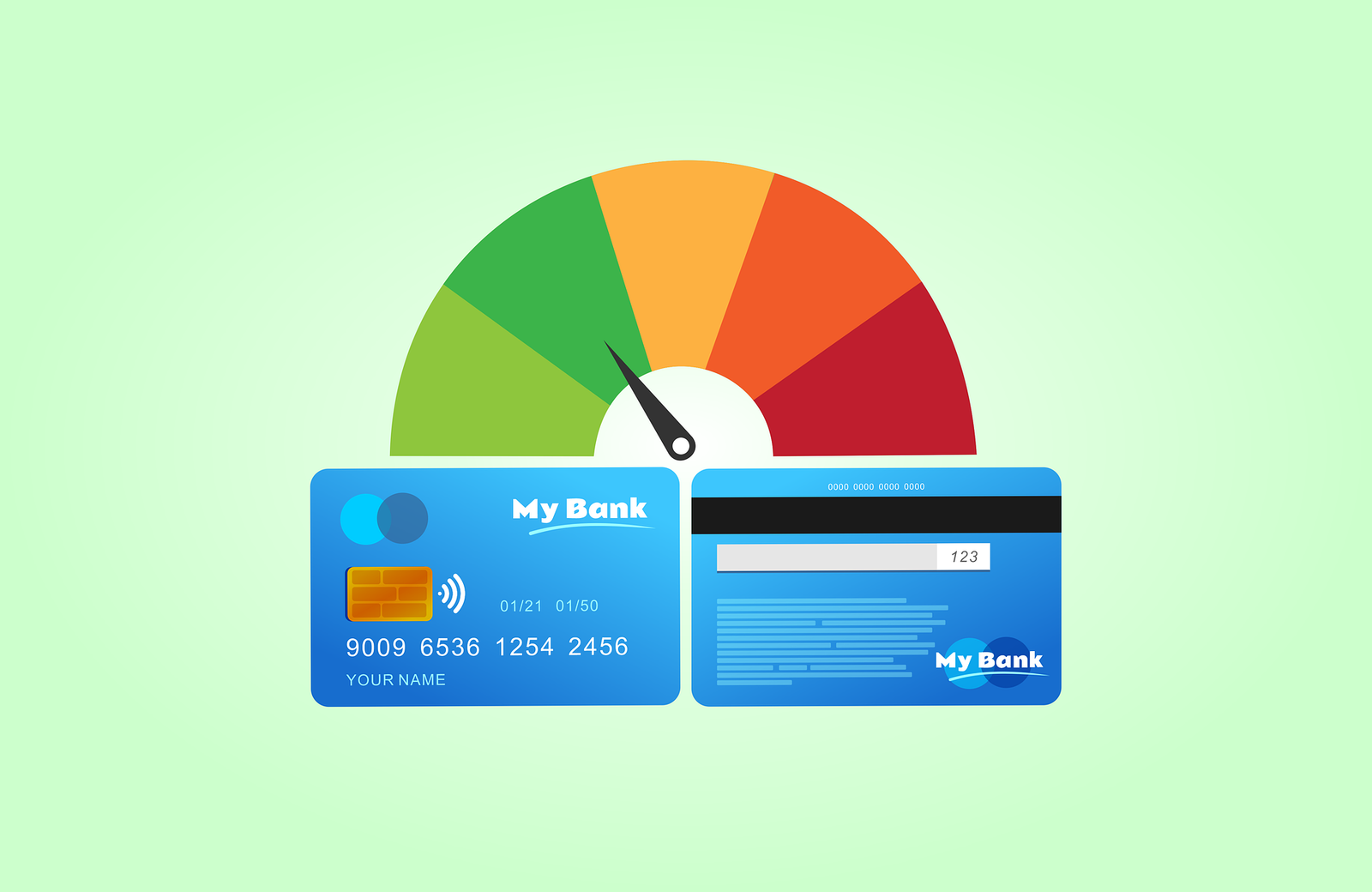
Learning how to build credit from scratch can feel like a catch-22. Lenders want to see a credit history before they approve you, but you can’t get a history without credit. The good news is that a few beginner-friendly products exist for exactly this problem.
This guide walks through the tools that work, the ones that don’t, and a realistic timeline for your first score. If you’re in your 20s or just moved out on your own, this is the playbook.
Why You Have “No Credit” (and Why It Matters)
Having no credit isn’t the same as having bad credit. It usually means no lender has reported an account in your name to Equifax, Experian, or TransUnion. Without that data, scoring models simply have nothing to grade.
That gap shows up in real life. Landlords, auto lenders, insurers in many states, and even some employers look at credit when making decisions. A thin file can mean bigger deposits, higher interest rates, or outright denials.
According to myFICO’s minimum scoring requirements, you need at least one account open for six months or more. You also need at least one account reported to a credit bureau within the past six months. So the clock starts the day your first account opens.
How FICO Scores Are Calculated
Before choosing a product, it helps to know what you’re aiming at. FICO, the score most lenders use, weighs five categories.
| Factor | Weight | What It Means for a Beginner |
|---|---|---|
| Payment history | 35% | Every on-time payment helps; one 30-day late payment can sting for years |
| Amounts owed | 30% | Keep card balances low compared with your limit |
| Length of credit history | 15% | Open your first account early and keep it open |
| New credit | 10% | Avoid applying for several accounts at once |
| Credit mix | 10% | Having both a card and an installment loan can help over time |
Payment history and amounts owed make up roughly two-thirds of the score. That’s why the strategy below focuses on small, easy-to-pay balances.
How to Build Credit From Scratch: 5 Tools That Report to the Bureaus
The key question for any product is simple: does it report to all three major credit bureaus? If it doesn’t, it won’t help your score, no matter how responsibly you use it.
1. Secured Credit Card
A secured card works like a regular credit card, but you put down a refundable cash deposit that usually becomes your credit limit. You buy things, get a monthly statement, and pay the bill. Your payments are reported like any other card.
Examples include the Discover it Secured and the Capital One Platinum Secured. Many issuers review your account over time and may move you to an unsecured card and return your deposit. Look for no annual fee and confirmed reporting to all three bureaus.
2. Credit-Builder Loan
A credit-builder loan flips the normal loan around. The lender holds the loan amount in a locked savings account while you make small monthly payments, typically over six to 24 months. When you finish, you get the money back, minus interest and fees.
Credit unions and community banks often offer these, and online options like Self exist too. Since it’s an installment loan, it can also help your credit mix if you pair it with a card.
3. Becoming an Authorized User
If a parent or partner has a long-standing card with a low balance and a spotless payment record, they can add you as an authorized user. Many scoring models factor that account’s history into your file. You don’t even need to use the card.
The risk is that their mistakes become your problem. If they miss a payment or max out the card, your report can take the hit too. Only do this with someone whose habits you trust.
4. Retail or Store Credit Card
Store cards are often easier to qualify for than general-purpose cards. The trade-off is a low limit and, usually, a high interest rate. A $300 limit means a $150 purchase already puts you at 50% utilization, so use these lightly.
5. Student Credit Card
If you’re enrolled in college, student cards from major issuers are designed for people with no history. They’re unsecured, so there’s no deposit. Approval isn’t certain, but the requirements are often lighter than for standard rewards cards.
What Doesn’t Build Credit
The Consumer Financial Protection Bureau points out several common tools that typically don’t help. Debit cards, cash, and prepaid cards generally aren’t reported to the national credit bureaus. Payday loans usually don’t help either, even when you repay on time.
The CFPB also warns that “buy here, pay here” auto dealers often report only negative information, like late payments. In other words, you take on the downside without getting the upside.
A Realistic 12-Month Game Plan
Here’s how the first year can look if you start today.
Month 1: Open one secured card or credit-builder loan. Set up autopay for at least the minimum so you never miss a due date.
Months 1–6: Put one small recurring bill on the card, like a streaming subscription. Pay the full statement balance every month. Try to keep the balance reported on your statement under 30% of your limit, and lower is better.
Month 6: You should now meet FICO’s minimum requirements. Check your score through your card issuer or bank app, many of which show it for free.
Months 6–12: Consider adding a second product if you started with only one. A card plus a credit-builder loan covers both revolving and installment credit. Avoid applying for multiple new accounts in the same month.
Month 12: Ask your secured card issuer whether you qualify for an upgrade. Keep the oldest account open even if you stop using it much, since it anchors your credit age.
Protect Your New Credit File
Once you have a file, keep an eye on it. You can pull free reports from all three bureaus at AnnualCreditReport.com, which now offers them weekly. Look for accounts you don’t recognize and dispute any errors directly with the bureau.
A credit freeze is also free and doesn’t affect your score. If you’d like automated alerts, our guide to AI credit monitoring tools compares services that flag new inquiries and accounts.
FAQ
How long does it take to build credit from scratch?
You generally need about six months of account history to generate a FICO Score. Some other models, such as VantageScore, may produce a score sooner. Reaching a “good” score usually takes a year or more of on-time payments and low balances.
Will a secured card hurt my score when I apply?
Applying typically triggers a hard inquiry, which may lower your score by a few points for a short time. The long-term benefit of on-time payments usually outweighs that small dip. Some issuers offer prequalification tools that use a soft check first.
Should I carry a balance to build credit?
No. Carrying a balance from month to month only costs you interest. Paying your statement balance in full each month still shows lenders you use credit responsibly.
Disclaimer: This article is for general educational purposes only and is not financial, legal, or credit advice. Product features, fees, and approval criteria change often, so confirm details with the issuer or lender before applying. Information current as of October 2026.
1 thought on “How to Build Credit From Scratch: 5 Proven Tools That Work”